
Stripes, Stories & Surprises: Meet the Zebra Family

If Africa’s savanna had a fashion show, the zebras would steal the runway. With their dazzling black and white stripes, they look like they’ve stepped straight out of a pajama party - no wonder some people fondly call them “pajama donkeys”! But behind the stripes lies a fascinating story of history, family, and survival.

A Walk Through Zebra Time
Long before today’s zebras, their ancestors roamed across Africa. Imagine the mighty Equus mauritanicus, an ancient horse-like animal linked to the biblical wild ass (Equus africanus). Sadly, not all members of the zebra family tree made it to modern times. The Cape Quagga disappeared in 1883, and the true Burchell’s plains zebra followed in 1918. Their stripes live only in history books and old drawings.
The Striped Stars of Today
Thankfully, not all stripes were lost. Today, zebras come in three main types — each with their own unique “outfit”:
Hartmann’s Mountain Zebra – a nimble climber from Namibia’s rocky landscapes.
Cape Mountain Zebra – a southern beauty with narrower stripes.
Grevy’s Zebra – the “designer label” of the zebra world, with thin pinstripes, found in East Africa.
And then, of course, there are the plains zebras — the most familiar to South Africans, with five subspecies. Among them is the shade-striped plains zebra (E.q. antiquorum), often seen grazing in our parks and reserves.

Why the Stripes?
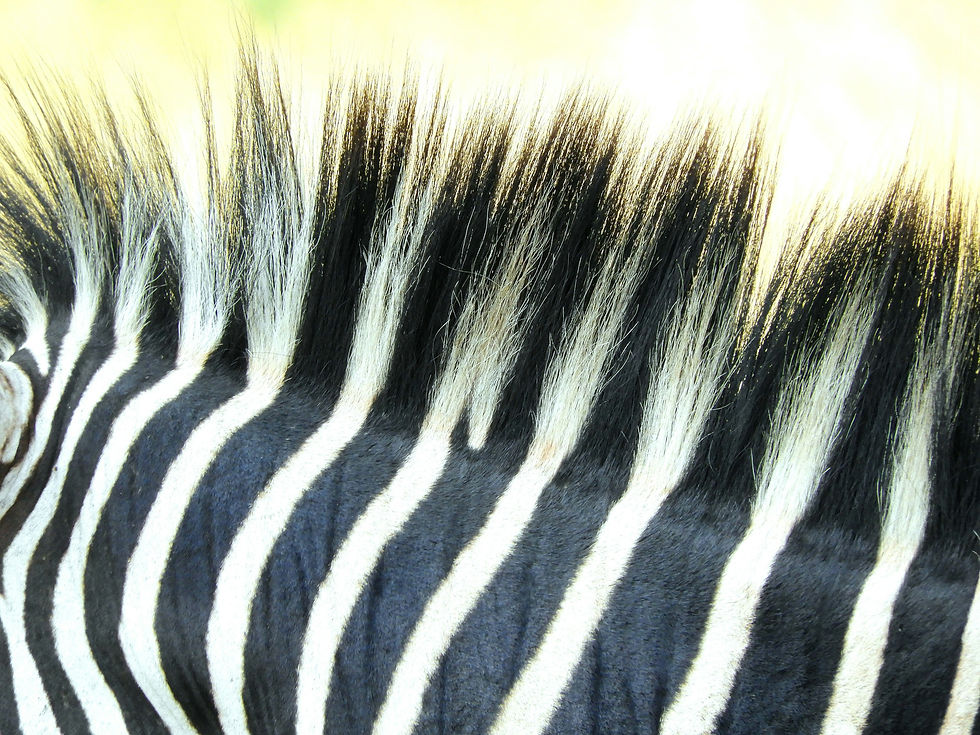
Stripes aren’t just for show. The white ones climb up from the belly, while the black ones slide down from the back. Together they create a dazzling “barcode” that breaks up the zebra’s body outline. To a chasing lion, it’s like trying to focus on a fast-moving magic trick. Some scientists even believe stripes help keep flies away - a natural bug repellent built right into their coat!
Family Ties (and Tough Love)
Zebra life is built on strong family bonds. A herd is usually led by a wise mare, the matriarch, who makes the big decisions. Families are so close-knit that if they’re broken up, they may stop breeding for years until harmony is restored.
Grooming is their love language. Zebras stand side-by-side, gently nibbling each other’s fur with their teeth, strengthening friendships with every bite.
Life on the Move
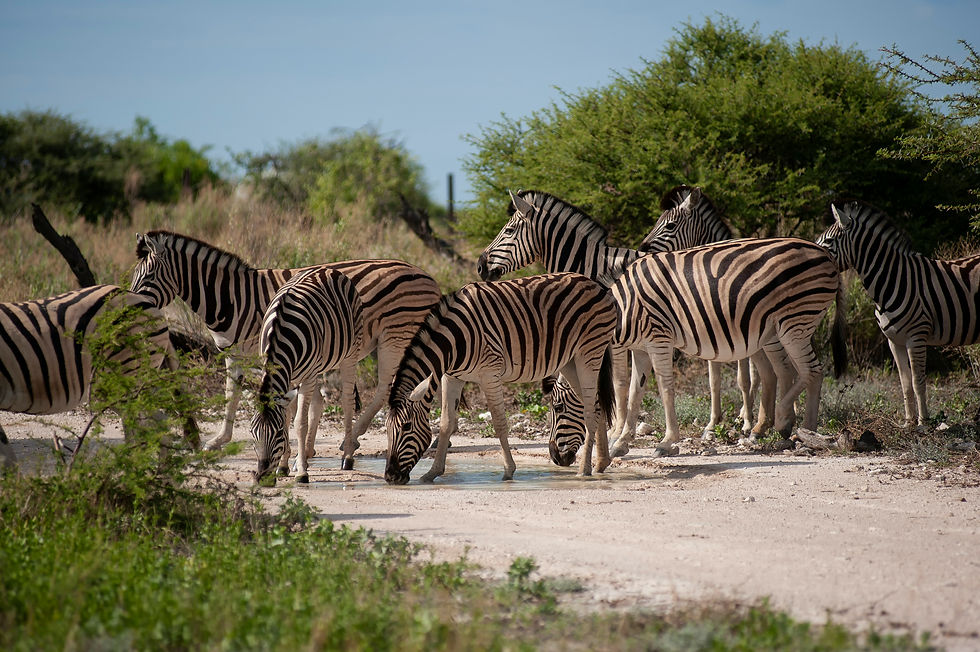
When the rains fade and the land dries up, zebras don’t give up — they pack their bags (well, their hooves) and set off on epic journeys. In places like the Kalahari, families join thousands of others to trek hundreds of kilometers, chasing the promise of greener grass. Their swishing tails double as fly swatters, while their keen eyes and sharp hooves help them fend off danger.
But even in big herds, life is risky. Lions remain their greatest threat, and jackals or hyenas often look for chances during births. Still, zebras keep moving, resilient as ever.

The Quagga Comeback?
One of the most exciting zebra stories today is the attempt to bring back the quagga’s famous stripes. Scientists in the Cape are selectively breeding plains zebras to re-create that chestnut-brown and striped look. But as they remind us: these are quagga lookalikes, not the real thing - more of a “tribute band” than the original star.
Stripes Forever
Whether nibbling each other’s coats, leading great migrations, or dazzling us with their unique patterns, zebras remain symbols of Africa’s wild heart. Each stripe tells a story of survival, family, and beauty.
So, the next time you spot a zebra in the veld, remember - you’re not just looking at stripes. You’re looking at a living piece of history, a playful spirit, and a reminder that in nature, family and resilience always run deep.
Additional important info available at:


Comments